

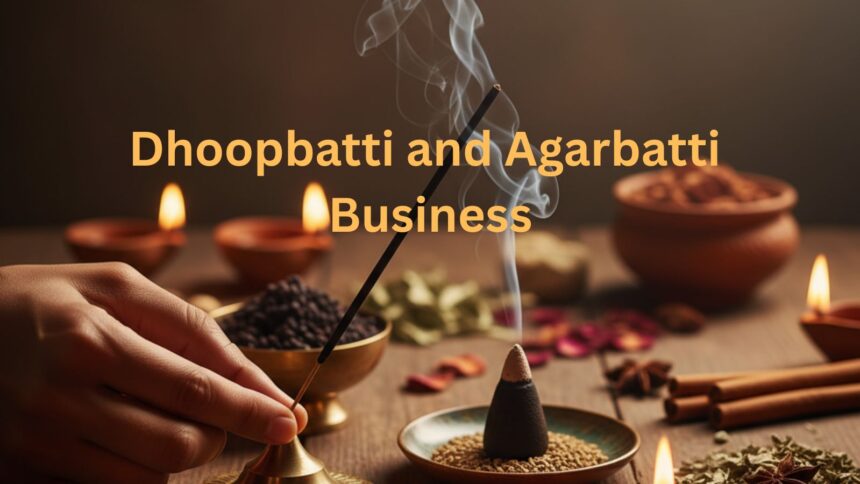
Dhoopbatti Agarbatti Business
Introduction
India ek spiritual country hai jahan agarbatti, dhoopbatti, cones aur sambrani ka daily use hota hai. Har ghar, temple, office aur meditation studio mein yeh products regularly use hote hain. Is continuous demand ki wajah se yeh ek low-investment aur high-potential business ban sakta hai agar aap right strategy follow karo: product quality, effective branding aur smart distribution pe focus karna zaruri hai.
1. Market Opportunity — Kyu start karein?
Simple reasons:
- Continuous demand — religious aur personal use dono ke liye.
- Low raw material cost aur high perceived value, especially premium segment mein.
- Export potential — yoga aur meditation communities abroad bhi Indian incense prefer karti hain.
- D2C aur subscription models se recurring revenue build kiya ja sakta hai.
2. Product Selection — Kya sell karoge?
Business shuru karne se pehle clear karo ki aap kis product line se start karoge. Common options:
- Agarbatti sticks — sabse common aur easily scalable.
- Dhoop sticks — thicker aur intense fragrance wale.
- Cones / Sambrani — temples aur rituals ke liye popular.
- Wet dhoop / Paste sticks — traditional slow-burn options.
- Combo packs / Gift packs — festivals aur corporate gifting ke liye.
Decide karte waqt apna target audience dhyaan me rakho: rural mass market ya urban premium segment — dono ki preferences alag hoti hain.
3. Raw Materials & Suppliers
Basic raw materials aur suppliers ka selection critical hota hai. Typical materials:
- Stick core (bamboo ya wood pulp)
- Wood powder / charcoal / binding agents
- Fragrance oils (essential oils ya perfume oils)
- Natural resins (guggul, sandal, etc.)
- Packing material (boxes, sleeves, labels)
Suppliers source karne ke liye local mandi, wholesalers, trade expos aur online B2B platforms jaise IndiaMART use karo. Hamesha small sample order karke quality test karo before bulk buying.
4. Manufacturing Process — Handmade se Machines tak
Do main manufacturing routes hote hain:
4.1 Handmade (Cottage) Production
Low CAPEX se start karne ka best way hai. Process: raw powder mix, roll on stick core, dip in fragrance, dry, pack. Handmade se aap artisanal aur organic positioning bana sakte ho.
4.2 Semi-automatic / Automatic Production
Jab demand scale karna ho toh rolling machines, dipping conveyors, drying chambers aur packaging machines me invest karo. Machines se per-unit cost kam hoti hai aur consistency improve hoti hai, lekin initial investment high rahega.
5. Quality Control (QC)
Product consistency aur customer trust ke liye QC bahut zaruri hai. Har batch ke liye check points:
- Burn time (kitne minutes chalti hai)
- Fragrance strength aur longevity
- Smoke level & safety (excessive smoke avoid karein)
- Residue & ash behaviour
- Packaging integrity — sealed boxes, label accuracy
Quality issues se bachne ke liye third-party lab tests aur random batch audits consider karo.
6. Branding — Kaise standout karein?
Branding aapko commodity se premium product tak shift karta hai. Important elements:
- Brand Name & Logo: Simple, memorable aur emotionally resonant hona chahiye (jaise “Sugandh Aura”, “Divya Dhoop”).
- Tagline: Short aur promise dene wali (“Every Prayer, Every Fragrance”).
- Packaging: Attractive finishes (matte, soft-touch), eco-friendly kraft options, clear ingredient & usage info.
- Brand Story: Authentic story jisse customer connect kare — handmade, Himalayan herbs, organic, seeding community benefits, etc.
- Legal: Trademark registration for name & logo, GST aur business registration necessary.

7. Third-Party Manufacturing — Apna brand bina factory ke
Agar aap factory setup nahi karna chahte ya jaldi market me entry chahte ho, third-party (private label) manufacturing best option hai. Yeh model marketing aur distribution pe aapko focus karne deta hai jabki production partner handle karta hai.
7.1 Third-party kaise kaam karta hai?
Aap manufacturer ko specifications dete ho — fragrance profile, burn time requirement, packaging design — aur manufacturer aapke brand ke naam se product produce karke supply karta hai. Aap packaging design order karte ho, manufacturer product ko pack karke deliver karta hai.
7.2 Benefits
- Low CAPEX — machines aur plant ka kharcha nahi.
- Quick go-to-market — 4–8 weeks me launch feasible.
- Scalability — demand badhne pe manufacturer production easily increase kar dega.
7.3 Risks & Mitigation
- Quality mismatch — mitigate by sample approvals, regular QC aur periodic audits.
- MOQ constraints — negotiate slabs aur phased orders.
- IP & recipe leakage — NDA aur contract clarify karo (intellectual property clauses zaruri hain).
- Delivery delays — contract me penalties aur alternative supplier plan rakho.
7.4 Step-by-step to start with third-party
- Shortlist 3–5 manufacturers (referrals, IndiaMART, trade fairs).
- Order samples, test them extensively (burn, smell, residue).
- Finalize packaging design and get print proofs.
- Sign contract with clear terms (MOQ, lead time, price, quality norms).
- Run a pilot order, collect feedback from customers, then scale up.
8. Distribution Channels — Kaunse channels use karein?
Hybrid distribution strategy best rehta hai — online + offline dono. Main channels:
8.1 Wholesale & Dealers
Regional distributors, temple suppliers aur puja stores se tie-up karo. Retailer margin generally 20–30% hota hai; inhe demos aur display stands deke incentivize karo.
8.2 Modern Retail & Gifting Stores
Large retail chains aur curated gifting stores me shelf space ke liye bulk aur gift pack options tayar rakho. Retail listing ke liye MRP strategy aur packaging attractive hona chahiye.
8.3 Online Marketplaces
Amazon, Flipkart, Meesho jaise marketplaces pe strong listing, high-quality images, SEO-optimized title & description aur customer reviews important hain. Fulfillment options (FBA/FBM) evaluate karo.
8.4 D2C (Direct-to-Consumer)
Apni website se direct sell karna sabse zyada margin deta hai aur aapko customer data milta hai jisse repeat business aur personalization possible hota hai.
9. D2C Store — Setup aur Growth
9.1 Website Setup
Choose a platform: Shopify, WooCommerce (WordPress) ya Magento. Website mobile-friendly, fast aur secure honi chahiye. Single-page checkout aur multiple payment options (UPI, wallets, COD) include karo.
9.2 Must-have Features
- Clear categories (sticks, cones, dhoop, gift packs)
- Detailed fragrance profile, burn time, usage instructions
- Subscription option (auto-replenish)
- Customer reviews & social proof
- Reorder button for repeat customers
- Order tracking & easy returns
9.3 Customer Acquisition (CAC)
Channels: Facebook/Instagram Ads (interest targeting: yoga, meditation, puja), Google Ads (search intent), Influencer partnerships (spiritual/wellness creators), SEO & content marketing (blogs, how-to guides), Email marketing (welcome series, cart abandonment).
Track CAC vs LTV (Lifetime Value) — ensure CAC < LTV for sustainable growth.
9.4 Retention & Revenue Tactics
- Subscription boxes (monthly favourites) for recurring revenue
- Loyalty programs & referral incentives
- Personalized offers on festivals & customer milestones
- Upsell related products: incense holders, aroma diffusers, gift cards
10. Pricing & Unit Economics
Indicative per-pack costing (approx):
- Raw materials: ₹3–5
- Packing: ₹0.8–2
- Labor: ₹0.5–1
- Logistics: ₹0.5–1
- Marketing & overhead: variable
Typical MRP:
- Normal segment: ₹15–30 per pack
- Premium segment: ₹50–150 per pack
D2C margins commonly 50%+ but CAC aur fulfillment costs dhyan mein rakho.
D2C Store banane and Marketing krne me Rantox Digital aapki help Kar sakta hai
Contact Rantox Digital
🌐 Website: www.rantoxdigital.com
🌐 Parent Company: www.auricsoft.com
📧 Email: info@rantoxdigital.com
📞 Phone: +91 7830205151 | +91 9627605151
11. Marketing Ideas — Low Cost, High Impact
- Limited edition festival packs (Diwali, Navratri)
- Social media reels — aesthetic unboxing, meditation clips, behind-the-scenes
- Influencer reviews & affiliate programs
- Free sampling in temple vicinities and puja shops
- Content: Blogs — “How to choose incense”, “Benefits of natural agarbatti”
- PR: local newspapers, spiritual magazines, wellness blogs
12. Legal & Compliance
Mandatory legal steps:
- Business registration: Proprietorship / LLP / Pvt Ltd
- GST registration
- Proper labelling: manufacturer details, ingredients, net weight, batch no., MRP
- Trademark registration for brand protection
- Pollution/environment norms: especially agar any emissions involved
13. Risks & Mitigation
- Quality complaints: Regular QC, batch testing aur clear return policy.
- Logistics delays: Multiple courier partners aur buffer stock in key locations.
- High competition: Niche USP (organic, artisan, premium packaging) aur strong marketing.
- Cashflow problems: Start small, maintain working capital, negotiate credit terms with suppliers.
14. Scaling Up — Growth Strategy
Options for scaling:
- New product verticals: scented candles, aroma oils, incense holders
- Franchise or exclusive distributors in tier-2/3 cities
- Export to USA, UK, Middle East where Indian incense has demand
- Private label manufacturing for other brands as an additional revenue stream
- Wholesale bulk contracts with temples, ashrams, event organizers
15. Financial Planning & Break-even
Calculate fixed costs (rent, salaries, equipment leases) aur variable costs (materials, packaging, logistics). Break-even formula:
Break-even Units = Fixed Costs / (Selling Price per Unit - Variable Cost per Unit)
D2C model often shortens payback period because margins zyada hoti hain, lekin initial CAC ko control karna bahut zaruri hai.
16. Case Studies & Business Ideas
Quick practical ideas:
- Organic Urban Brand: Essential oil-based incense, premium kraft packaging, subscription box for yoga studios and wellness customers.
- Traditional Local Brand: Affordable sticks produced via third-party partners, distribution through local puja shops and mandir networks.
- Gift & Corporate: Curated festival hampers for corporate gifting with co-branding options.
17. Third-Party se Brand Banwana — Detailed Section
Agar aap manufacturing ka risk aur capital nahi lena chahte, third-party (contract manufacturing / private label) ek realistic route hai. Is section mein detailed steps aur practical tips diye ja rahe hain:
Vendor Shortlisting
Sources: IndiaMART, local trade shows, referrals from industry people. Shortlist 3–5 vendors based on capacity, certifications aur client testimonials.
Sample Approval
Har vendor se multiple samples lo (different fragrance concentrations). Test them for burn time, ash, fragrance longevity, and smoke level. Share written acceptance criteria with the vendor.
Packaging & Labeling Coordination
Aap packaging design (artwork) internally banayein ya kisi design agency se banwayein. Print proofs chahiye aur color/finish approval zaruri hai before mass print.
Contracts & Legal
Contract should cover: MOQ, lead time, price slabs, quality parameters, confidentiality/NDA, termination clauses, penalty for delay, and intellectual property rights (recipe/exclusive blends).
Logistics Integration
Decide delivery terms: Ex-works, FOB, or Delivered. Agar aap D2C sell karenge toh manufacturer se your label packaging + individual packing ki requirement final karo. Consider a fulfillment partner for warehousing & shipping.
Pilot Run & Feedback
Start with small pilot order (1–2 pallets). Sell via limited channels (local stores, online) and collect customer feedback. Iterate on fragrance or packaging agar necessary ho.
18. Rantox Digital — D2C Marketing Partner (Contact)
Agar aapko digital support chahiye for website development, SEO, paid ads, content aur complete D2C setup, aap Rantox Digital se contact kar sakte hain. Always verify contact details on their official website before sharing sensitive info.
- Website: rantoxdigital.com
- Email: info@rantoxdigital.com
- Phone: 7830205151
19. Practical Launch Checklist
- Decide 6–8 initial SKUs (fragrances & formats)
- Finalize brand name, logo & packaging
- Choose manufacturing route (own plant vs third-party)
- Run pilot batch and gather customer feedback
- Build website and marketplace listings (Amazon/Flipkart)
- Start paid ads, influencer outreach and sampling campaigns
- Set up distributor & retailer onboarding
- Measure CAC, LTV and optimize marketing funnel
20. Pro Tips (Founder Mindset)
- Start small and iterate fast — get feedback after first 100 orders.
- Maintain product consistency — scent in hand must match product claim and images.
- Use eco-friendly messaging if positioning as premium — customers pay for sustainability.
- Keep 3–4 core best-sellers and rotate limited-edition fragrances to maintain excitement.
- Document processes: supplier list, QC checklist, packaging SOP, customer service scripts.
Conclusion
Dhoopbatti / agarbatti business mein success tabhi milega jab aap product quality, strong branding aur smart distribution pe continuously kaam karenge. Aap third-party manufacturing ke through low investment se jaldi market enter kar sakte ho, aur D2C channel se long-term customer relationships aur high margins build kar sakte ho. Start with a small pilot, measure results, iterate quickly aur phir scale karo.
Ab shuru karo — small pilot batch banayein, customer feedback collect karein, aur phir step-by-step scale kar lo. Agar aap chaho toh main is content ko Word/PDF mein format karke bhi de sakta hoon ya koi specific section (pricing spreadsheet, launch timeline) customize kar sakta hoon.